The Kitty Care Kit: What Every Cat Owner Should Keep at Home
Last week, I talked about preparing for emergencies with your cat by planning for veterinarian care. It is also important to have some supplies on hand so you can treat minor problems at home or, with the guidance of your veterinarian, try at-home treatments before you bring your cat to see their Dr.
A Kitty Care Kit is simple to put together, and worth its weight in gold in the event that you need to use it.
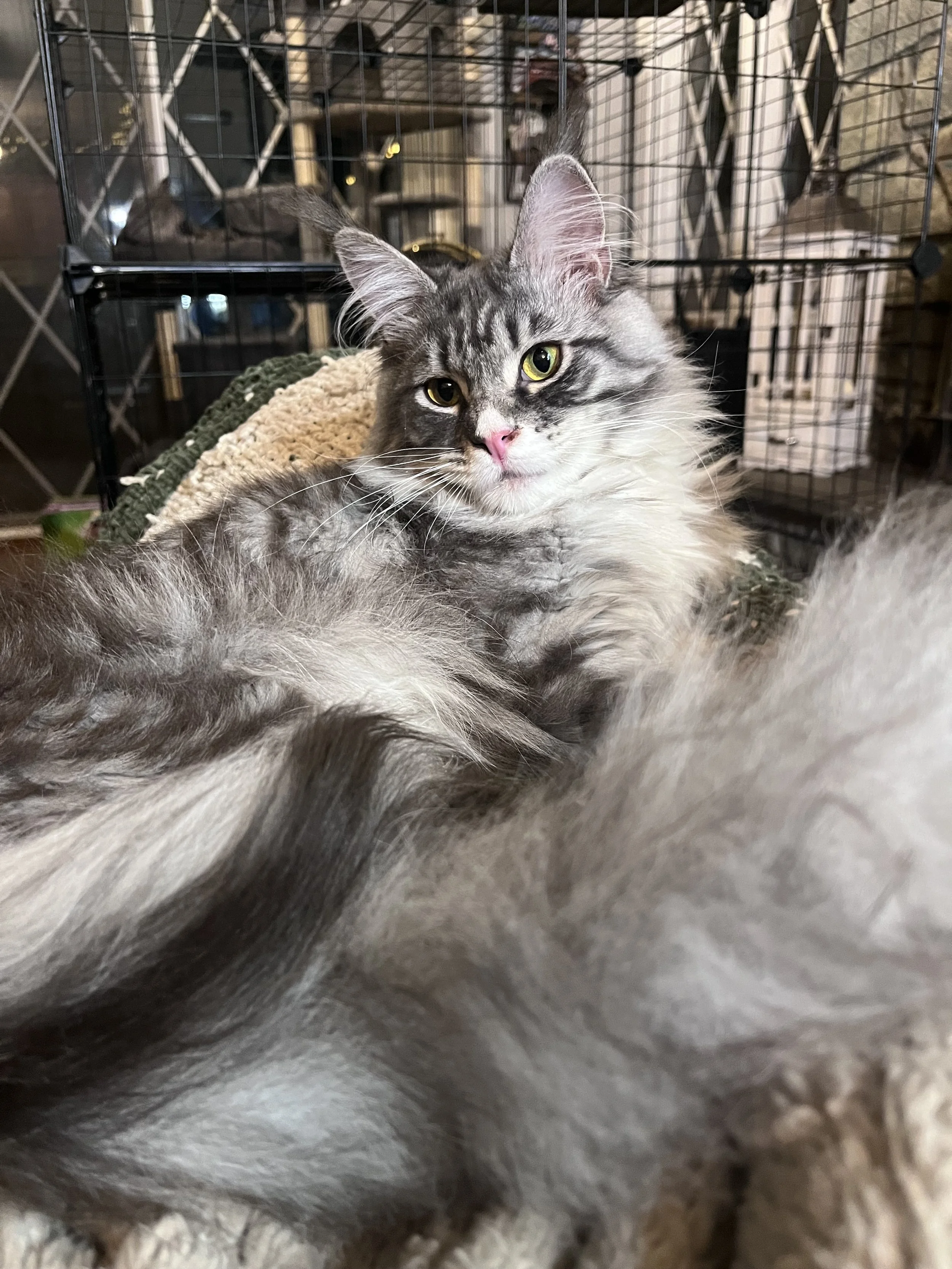
Eepie Mouse living his best kitty life
Important Information
· Your veterinarian's phone number (and secondary veterinarian’s phone number)- refer to last week’s post
· The phone numbers and addresses of your primary and secondary choice of emergency animal hospitals
· Pet Poison Helpline information
· A copy of your cat's vaccination records
· Your cat's microchip number and registration information
· A recent photo of your cat
For Illness and Appetite Loss
· Chicken baby food (without onion or garlic)
· Tiki Cat Baby Thrive or kitten mousse pouches
· Nutri-Cal or another high-calorie recovery supplement
· Unflavored Pedialyte
· Oral dosing syringes for medications or supportive feeding
Monitoring Supplies
· Digital thermometer and lubricant
· Small notebook for recording temperature, appetite, vomiting, medications, and observations (note the date and time for each entry)
Eye Care Supplies
· Sterile saline eye wash
· A non-antibiotic eye ointment for minor eye irritation- definitely see a vet if eye irritation continues for more than 24 hours
· Wound Care Supplies
· Vetericyn wound spray
· Diluted chlorhexidine solution
· Medical-grade honey
Parasite Prevention
· Flea and tick prevention recommended by your veterinarian
Travel and Emergency Transport
· Sturdy carrier
· Puppy pads to line the carrier
· Small blanket or towel
Recovery After Surgery
· Recovery suit
· Appropriately sized e-collar
· Churu treats for administering medications
Do Not Use
· Human pain medications
· Hydrogen peroxide
· Alcohol
· Essential oils
· Leftover antibiotics
Final Thoughts
A well-stocked cat emergency kit doesn't replace your veterinarian, but it can help you respond quickly when a problem arises.
Store the paperwork in a folder in your vehicle or in a folder on top of your cat carrier so you remember to take the documentation with you if you have to make a trip to the emergency animal hospital.
Store the other supplies in a clearly labeled container so you can find them quickly when you need them.
Being prepared can help you act quickly which favors a good prognosis for your cat. It also helps you to have peace of mind which is priceless.
