How to Prepare for and Handle Medical Emergencies for Your Cat
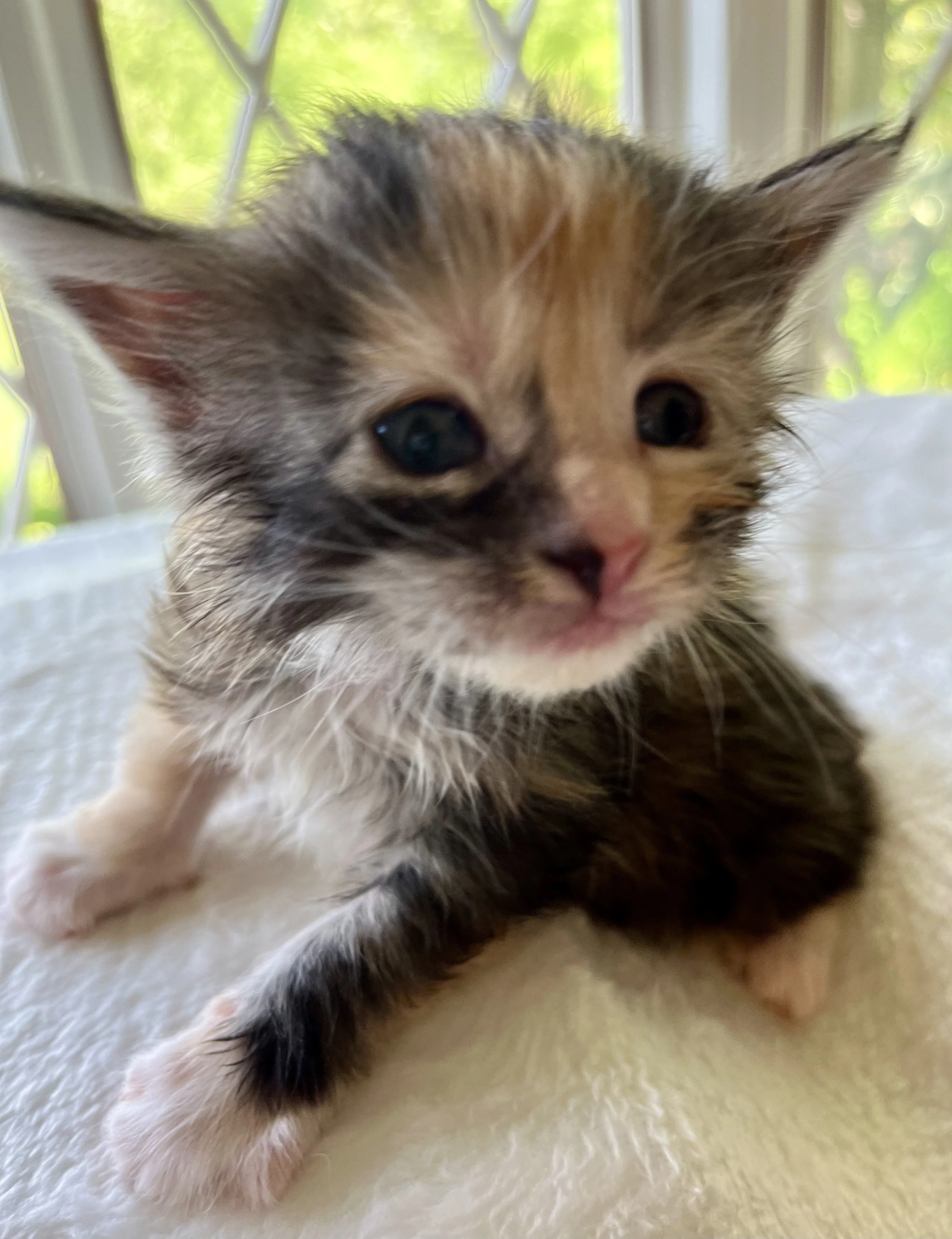
Fiona as a tiny kitten
When your cat has a medical emergency, it is extremely scary. Taking some time now to prepare won’t make it less scary, but it can certainly take some of the stress out of the equation. Not only am I a Maine Coon breeder, but I own a farm with lots of animals, and I have a fair number of pets. It is safe to say I have dealt with my share of animal emergencies.
There are four things every pet owner should do to be as prepared as possible to face a medical emergency.
Establish care at more than one veterinary clinic
Choose two to three emergency animal hospitals to keep on hand
Know what constitutes an actual emergency
Make a plan now.
Establishing Veterinary Care
When you are choosing your primary veterinarian clinic, ask if they can accommodate same-day appointments for sick animals and whether they have evening or weekend hours. It is awesome if you can find a clinic that you love that has these bonuses- it makes handling medical emergencies that much easier. Whether your primary clinic offers these services or not, it pays to establish care with a back-up veterinarian.
A veterinarian clinic is much more likely to accommodate a same-day appointment request if you have already established care with them. Even if your veterinarian offers flexible hours, sometimes they may not be able to get you in when your cat is sick. Establishing care at another clinic is usually the price of a well-animal exam- this is much less expensive than the price of being seen at an emergency animal hospital when you can’t get your sick animal seen at a normal veterinary clinic. It is really important that your back-up clinic allows same-day appointments and has extended hours of some kind- best if they have both evening and weekend hours, of course, but that may be too difficult to find. Let the secondary clinic know who your primary veterinarian is so they can send the records from your visit over to them.
Sometimes your primary and your backup clinic won’t be able to help you when your cat absolutely needs medical attention. It could be that both clinics are busy, that it’s 2am, or that they don’t have the skill set to handle the problem your pet is facing. This is why it’s crucial to find two to three emergency animal hospitals you trust.
I recommend visiting the emergency animal hospitals you are considering. There are few things worse than holding a critically ill animal and trying to figure out where the entrance to the emergency department of an animal hospital is. When you are considering an emergency animal hospital, go inside so you understand the layout. You likely won’t be able to talk to a veterinarian, and even if you do, there’s a small chance that will be the Dr. you see if you end up having to make a visit. You can usually talk to a receptionist though. Ask them if they have a surgeon on staff or on call, whether there are any types of emergencies they don’t handle, if they offer hospitalization and make sure they are open 24 hours a day. Once you find two to three emergency animal hospitals that you fell comfortable with, ensure each member of your family stores the phone numbers in their cellphones, put the numbers on your refrigerator, and add the phone numbers to the list of contacts you leave with your pet-sitters.
Signs Your Cat Needs Veterinary Attention
I am not a veterinarian. I absolutely recommend you have a conversation with your veterinarian about what you should seek immediate medical attention for. This is the list of symptoms I seek emergency care for, but this is only meant to be an example and is not a replacement for your veterinarian’s recommendation.
· Not eating, especially for more than 24 hours
· Not drinking
· Lethargy or weakness
· Difficulty breathing or open-mouth breathing
· Straining to urinate or inability to urinate (especially in male cats)
· Repeated vomiting or severe diarrhea
· Sudden collapse
· Pale gums
· Neurological symptoms such as seizures, circling, or inability to walk
· Severe pain or crying out
Cats are excellent at hiding symptoms, and by the time they seem sick, it can become very serious very quickly.

Jade- our first kitten to need emergency vet care (she is now a beautiful grown-up cat living with her forever family)
Making a Plan
I recommend thinking through a few situations before they actually happen.
One thing to decide now is how you will handle a sick cat when it is not an emergency. If it is a Monday, Tuesday or Wednesday, you may decide you will wait a day to see if your cat improves before you call your clinic. If it is a Thursday or Friday, your plan will likely be different. Cats can get much worse in a short time, and if you wait until Friday afternoon to have your cat seen, you may be paying for an emergency visit to the animal hospital. Personally, I do everything I can to get my animals treated at a conventional veterinarian clinic before the weekend- I actually established care at five different clinics to improve the odds that I can make this happen.
Another thing to decide now is which emergency animal hospital will be your first choice vs. second choice, etc. If there is an emergency, call your first choice immediately to tell them what’s going on and find out if there is a wait. If there is a wait, move on to calling your second choice. You do not want to have to figure out in the moment of crisis which hospital is your first choice. All of that can be settled and shared with your family before an emergency occurs.
When emotions are high and your cat is sick, it is easy to feel overwhelmed, pressured, frightened, or guilty. Veterinary medicine can also be complicated, expensive, and fast-moving, especially in emergency situations. I recommend keeping this list of questions in your phone or wallet so when its hard to think clearly, you can be sure to ask the questions that will help you make the best decision for your pet.
· What are the risks if we wait?
· What is the goal of this treatment?
· Is this truly an emergency, or urgent but stable?
· Are there alternatives?
· What would you do if this were your cat?
· Can you explain why you recommend hospitalization, surgery, or testing?
A good veterinarian should be willing to explain their reasoning and help you understand your options.
The goal is not to fight your veterinarian. The goal is to become an informed, engaged partner in your cat’s care. That said, do not let anyone guilt you into making a decision that you do not feel is the best option for you or your cat. Also, it is always okay to ask for a second opinion.
Preparation Creates Confidence
I truly hope you never face an emergency with any of your pets. That said, preparing for an emergency goes a long way to reduce stress, help you think clearly, and ensure you can get the best possible care for your pet.
