Maine Coon Dental Development: Teething, Red Gums & Juvenile Gingivitis
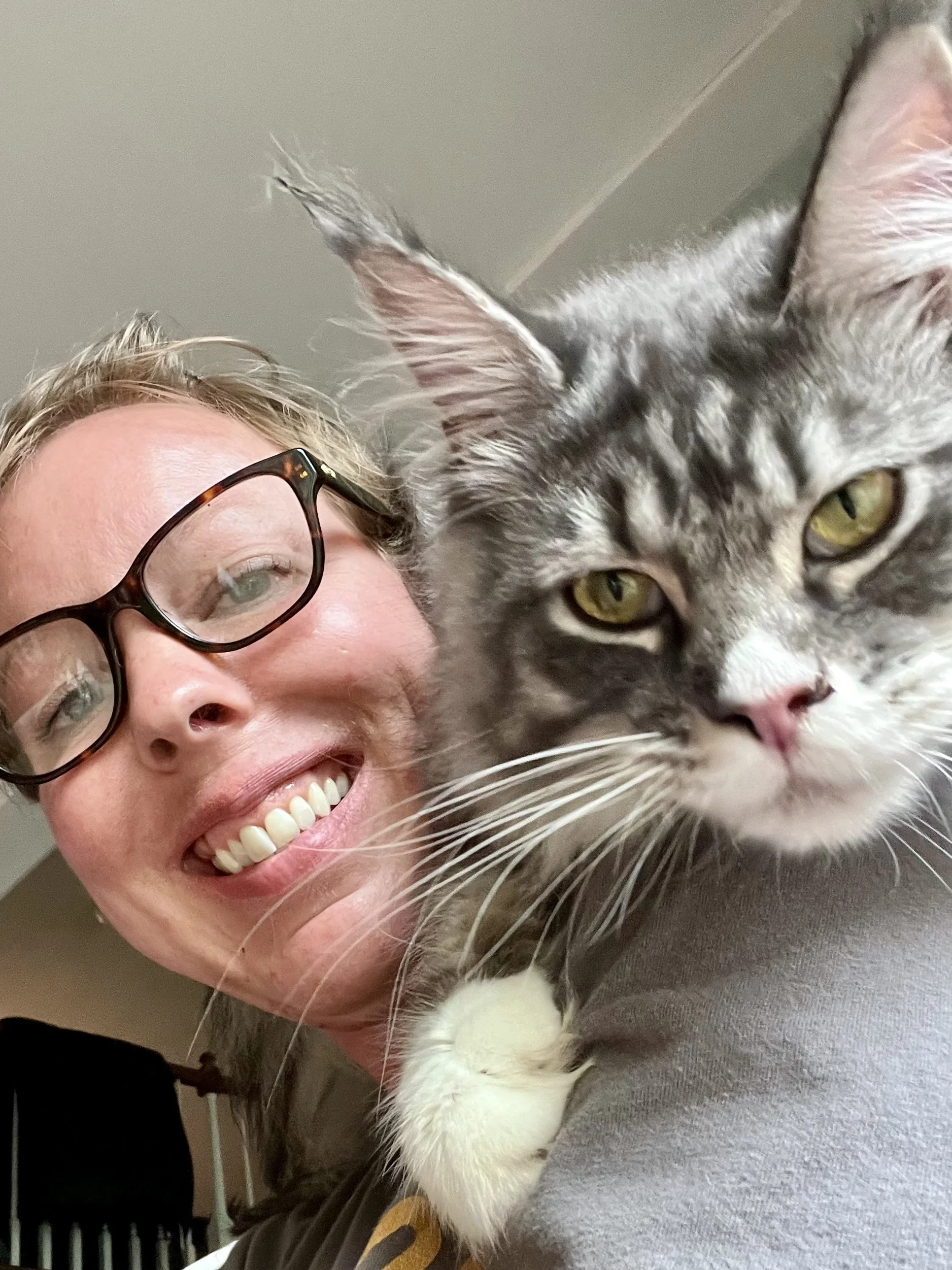
Eepie Mouse had juvenile gingivitis for a couple months and his gums look perfect now
If you happen to peek inside your Maine Coon kitten’s mouth one day and think, “Wait—why are their gums so red?”, don’t panic. There is a lot going on inside a kitten’s mouth during the first year of life. Maine Coons develop on a different timeline than most other cats so your vet may not know exactly what is normal for a Maine Coon.
Kittens lose an entire set of baby teeth, grow their adult teeth, and go through periods of gum inflammation as all of this happens. Maine Coons can also be prone to dental disease, so understanding what is normal—and what deserves a closer look—is especially important for Maine Coon owners.
Here’s what you can expect as your kitten’s mouth develops.
Maine Coon Kittens have baby teeth. Like human children, kittens have two sets of teeth during their lifetime. Kittens are born without visible teeth. Their first tiny baby teeth, called deciduous teeth, begin appearing at around 2–4 weeks old. By about 6 weeks, most kittens have their full set of 26 baby teeth.
Beginning at around 3–4 months of age, those baby teeth start making way for the permanent adult teeth. By approximately six months of age, most Maine Coon cats have their full set of 30 adult teeth,
The most dramatic dental changes usually happen between roughly 4 and 7 months old. This is when your kitten is simultaneously losing baby teeth and erupting much larger adult teeth. This can mean increased chewing, mildly red or irritated gums, a little bit of blood on toys, temporary changes in breath, or missing teeth.
By the way, you may never find your kitten’s baby teeth because they usually swallow them while eating.
I cannot even hazard a guess at how many veterinarians have recommended teeth extractions for Maine Coons during their first year of life because they don’t recognize that it is very normal for Maine Coons to have red and irritated gums during this stage.
One reason for the redness and irritation is the teething, as we already discussed. Another very common reason for it is juvenile gingivitis. Gingivitis simply means inflammation of the gingiva—the gum tissue surrounding the teeth.
Juvenile gingivitis can develop in young cats as their permanent teeth come in and mature. The gums can become noticeably red, swollen or inflamed, sometimes looking far more dramatic than an owner expects in an otherwise happy, healthy young cat.
There are some excellent products you can use to help your cat get over juvenile gingivitis quickly and also maintain good dental health for their entire life. My vet recommended them to me a few years ago, and I use them with my cats:
The first is called Oratene and it is simple to use: Just add it to your cat’s water. It is tasteless so they won’t even notice its there. This helps to clean your cat’s teeth every time they take a drink- it freshens breath too!
The second is called Orazn. It’s a blue gel , and you just squirt a bit onto your cat’s gums. They will work it around their mouth, so you don’t need to worry about getting it everywhere. It helps to fight plaque and gingivitis as well as bad breath.
Finally, you can always use a kitty toothbrush and toothpaste. Some cats love this, and some do not so it’s a bit hit or miss. If your cat will let you brush their teeth though, it is excellent for their dental health.
While I do believe Maine Coons often are misdiagnosed with dental disease because they tend to teeth a bit later than other cats, there are some signs you should watch out for that may necessitate a trip to the vet:
Difficulty eating or suddenly refuses food
Drooling
Pawing at the mouth
Significant bleeding
Ulcers or sores inside the mouth
Very strong or persistent bad breath
A baby tooth that remains alongside an erupting adult tooth
Swelling of the face or mouth
Inflammation that continues or worsens after the adult teeth have erupted
If your cat gets diagnosed with dental disease, it is absolutely worth getting a second opinion from a vet who is familiar with Maine Coons and their dental development. You are always welcome to reach out to me as well- if I don’t have the answers, I will work to get them for you. I hope this article helps to alleviate any stress related to your kitten’s dental health- especially when they are under a year of age.
Disclaimer: I may make a small commission if you click on the amazon product links.
