A Little Egg Packed With Big Nutrition
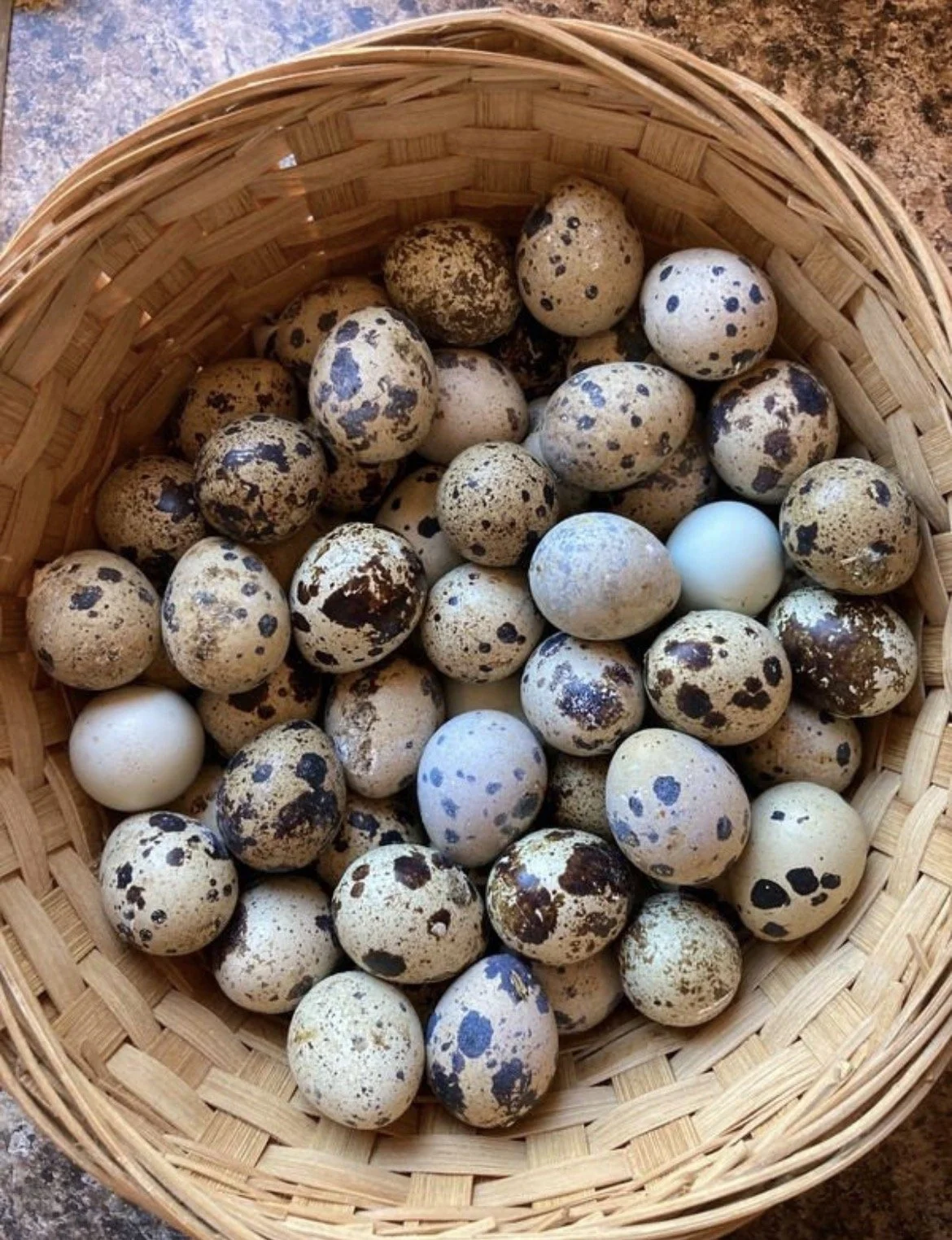
If you’re looking for a simple whole-food treat to add to your Maine Coon’s diet, quail eggs are worth considering. Small enough to serve as a convenient snack, but packed with protein, fat, vitamins, and minerals,
I have a LOT of animals. In addition to my Maine Coons I have three pet dogs. I also have a farm. On my farm, I have three working dogs, barn cats, cows, mini Nubian goats, chickens, turkeys, ducks, peacocks (long story), honeybees and quail. With over 400 animals to take care of, I live by the adage that an ounce of prevention is worth a pound of cure, One of the most effective ways I’ve found to prevent problems is through good nutrition.
Quail eggs are an excellent addition to an otherwise complete and balanced feline diet. Cats are obligate carnivores, meaning their bodies are designed to obtain most of their nutrition from animal-based foods. Eggs fit naturally into that framework because they provide highly digestible animal protein along with beneficial fats and micronutrients.
Quail eggs are especially convenient because of their small size. One little egg provides a nutrient-dense treat without requiring you to divide and store a larger chicken egg.
Maine Coons are large, muscular cats, and adequate protein is essential throughout their lives. Protein supplies the amino acids the body uses to build and maintain muscle, skin, fur, enzymes, hormones, and many other tissues. Eggs contain highly digestible, high-quality protein, making a quail egg an easy way to add a small protein-rich boost to your cat’s regular food.
Maine Coon kittens, active adults, and seniors who benefit from maintaining lean muscle mass - although their primary nutrition should always come from a diet formulated for their particular life stage.
Quail eggs naturally contain fat along with their protein. Dietary fat provides energy and supplies essential fatty acids that contribute to healthy skin and a beautiful coat.
Egg yolks are an excellent dietary source of choline, an essential nutrient involved in normal cell function, fat metabolism, and nervous-system function. Cats require choline in their diets, and eggs provide it naturally in a highly nutrient-dense package.
Quail eggs provide several B vitamins, including riboflavin (B2), pantothenic acid (B5), folate, and vitamin B12. B vitamins participate in many of the body’s normal metabolic processes, including converting nutrients from food into usable energy and supporting normal nervous-system and blood-cell function. Vitamin B12 is particularly notable because cats naturally obtain this important nutrient from animal-derived foods.
Quail eggs also contain small amounts of minerals such as iron, phosphorus, selenium, and zinc. These micronutrients have many different jobs in the body, from supporting normal immune function to helping maintain healthy tissues and metabolic processes.
One quail egg isn’t meant to supply all of these nutrients in the amounts your Maine Coon needs - it simply adds another nutrient-dense animal food to the diet.
Hard-boiling makes quail eggs incredibly convenient. They can be prepared ahead of time, refrigerated, peeled, and offered whole or chopped over your cat’s regular food. I give my cats one quail egg each day. I crumble them over their evening meal and they love it.
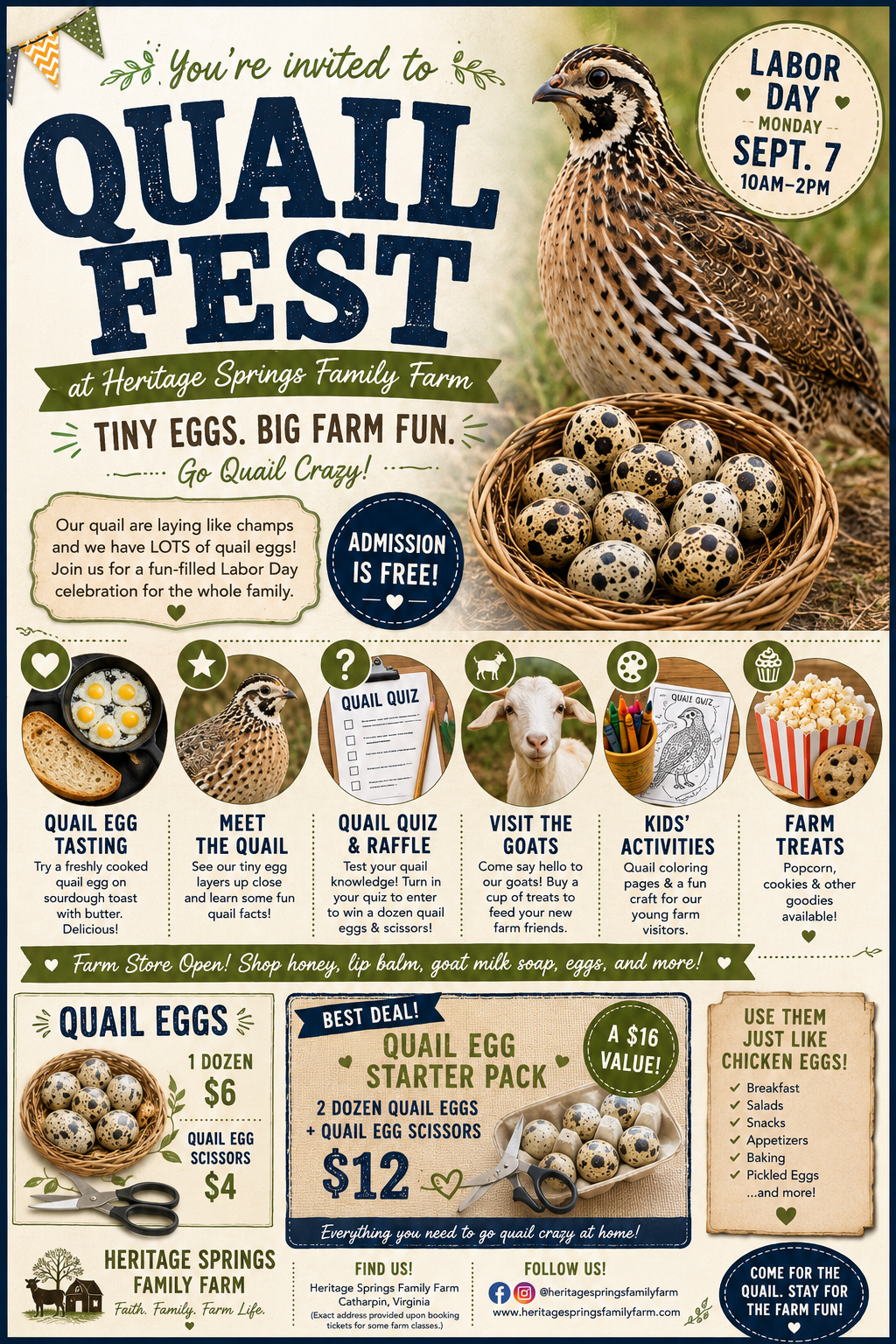
My quail are laying an alarming number of eggs right now- in fact, we have so many eggs we are hosting Quail Fest this Labor Day- a free event at our farm. If you’re in the area and would like to taste a quail egg, see our quail, pet some goats, maybe even hold a baby chick, we’d love to see you!
12750 Chatter Brook Drive; Catharpin, VA 20143
I am not a veterinarian. All of this information is for educational purposes and should not replace the nutritional advice you receive from your pet’s veterinarian.
