HCM in Maine Coons: What Can Be Tested, What Can’t, and How Ethical Breeders Reduce Risk
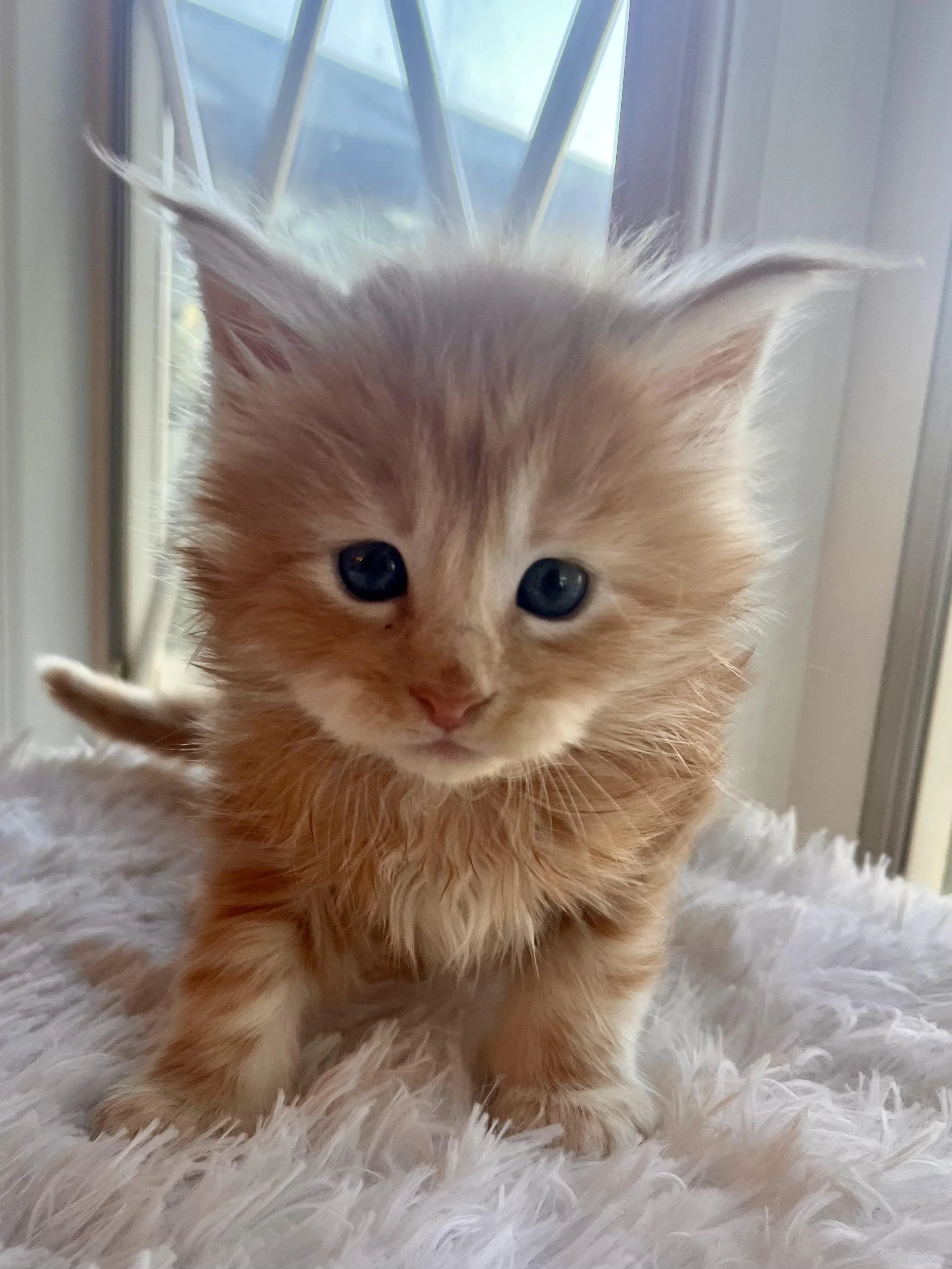
Hypertrophic cardiomyopathy (HCM) is one of the most well-known health concerns in Maine Coons—and also one of the most misunderstood. You may hear phrases about Maine Coons like “DNA tested” or “HCM clear,” but those labels don’t always tell the full story.
Here’s what responsible Maine Coon breeders actually test for, what current science can and cannot detect, and how risk is managed ethically over time.
What Is HCM?
Hypertrophic cardiomyopathy (HCM) is a condition where the heart muscle thickens, making it harder for the heart to pump blood efficiently. Over time, this can lead to heart failure or other serious complications.
Maine Coons are known to have a higher incidence of HCM compared to some breeds, which is why responsible breeders take screening seriously.
Genetic vs. Non-Genetic HCM
There are two important categories to understand:
Genetic (inherited) HCM
This form of HCM is associated with known genetic mutations. In Maine Coons, these mutations can be identified through DNA testing. When breeders DNA test their cats, they are screening for these known inherited HCM risks.
Non-genetic or adult-onset HCM
Some cats develop HCM later in life even without carrying any known genetic mutation. This form of HCM cannot be ruled out with DNA testing and requires ongoing cardiac monitoring.
What DNA Testing Can Do
DNA testing allows breeders to:
- Identify cats that carry known HCM mutations
- Rule out known genetic causes of juvenile or early-onset HCM
- Make informed breeding decisions to reduce risk
A clear DNA test significantly lowers the risk of inherited HCM—but it does not guarantee a cat will never develop heart disease.
What DNA Testing Cannot Do
DNA testing cannot:
- Detect unknown or undiscovered mutations
- Predict adult-onset HCM
- Replace cardiac imaging
This is why ethical breeders do not rely on DNA testing alone- this is very important to understand.
Echocardiograms: Monitoring Heart Health Over Time
An echocardiogram is an ultrasound of the heart performed by a veterinary cardiologist. It evaluates heart structure, wall thickness, and function in real time. These tests cost about $1,000 each. (This is one reason kitten prices can vary among breeders.)
Ethical breeders use echocardiograms to:
- Detect early structural changes
- Monitor breeding cats as they age
- Remove cats from their breeding program if concerns arise
Most responsible programs repeat echocardiograms every 1–2 years for active breeding cats.
Why Both Tests Matter
DNA testing reduces genetic risk.
Echocardiograms monitor current heart health.
Used together, they provide the most responsible approach available today—but even then, no test can offer absolute guarantees.
What Still Can’t Be Fully Prevented
Despite careful screening:
- HCM can still develop later in life
- Science continues to evolve
- No breeder can eliminate all risk
Ethical breeding focuses on risk reduction, transparency, and ongoing monitoring—not promises of perfection.
Signs Owners Should Watch For
Pet owners should seek veterinary care if they notice:
- Lethargy or reduced activity
- Rapid or labored breathing
- Open-mouth breathing
- Sudden weakness or collapse
- Hind-leg paralysis (an emergency)
Routine wellness exams and early evaluation of symptoms are key.
Questions Buyers Should Ask Any Breeder
- Are breeding cats DNA tested for known HCM mutations?
- Are echocardiograms performed regularly?
- How often are breeding cats re-evaluated?
- What happens if a cat develops heart changes?
Why We Do It This Way
At Heritage Springs Maine Coons, we believe ethical breeding isn’t only about guarantees—it’s about being as responsible as possible for the health of our kittens.
That means using every tool available today, staying current with evolving science, and making hard decisions when necessary. Our goal is not perfection, but transparency, thoughtful risk management, and long-term care for the cats we raise and the families who love them.
